My favorite drink in Japan is the Wagyu Old Fashioned at INC & Sons.
My second favorite is the Super Lemon Sour at Lemon Stand.
If you're not familiar, a Lemon Sour is the Japanese equivalent of a vodka soda. It's easy to make, easy to drink, and ubiquitous. You can find them at fancy cocktail bars, local izakayas, and even the fridge at 7-11.
Quality varies wildly, but when it's done right? Perfection.
Fancy, high-concept drinks can be great, sure, but all I ever really want is a classic cocktail that lets a local spirit shine.
A great whisky needs nothing more than an Old Fashioned. A killer rum begs for a daiquiri. And a stellar shochu?
It transforms a light and refreshing Lemon Sour into something more. More funk, more umami, and the perfect counterpoint to the tart lemon.
But you only get that more when you use a good shochu.
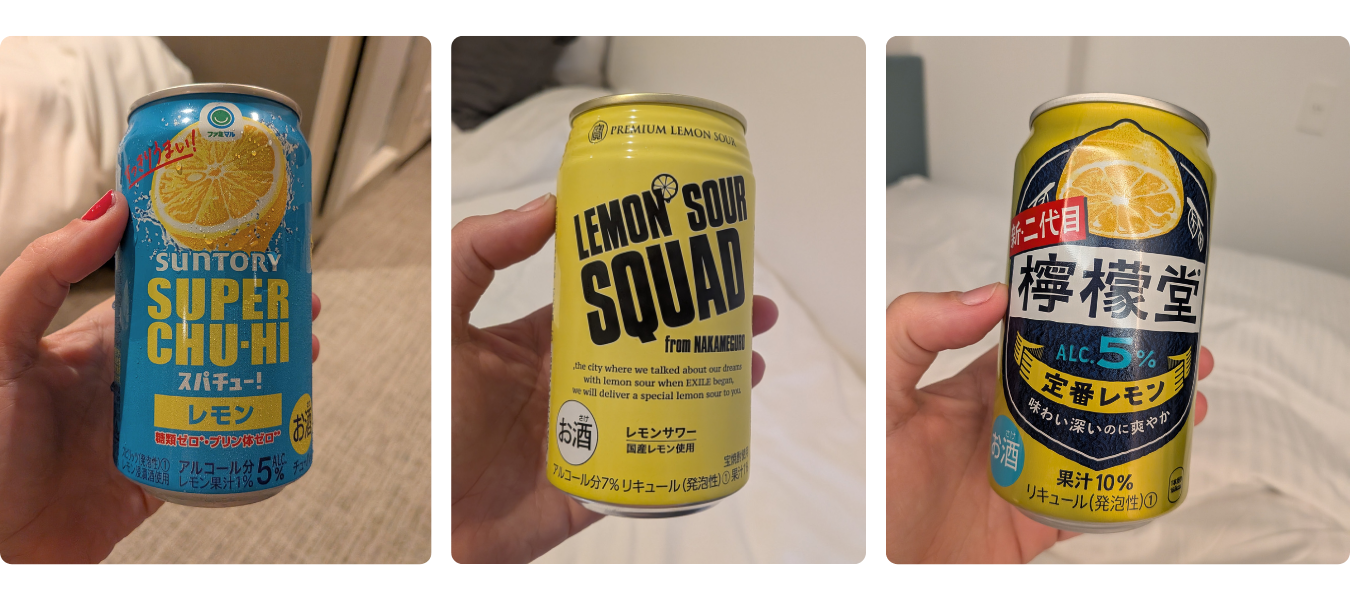
You see, the crushable cans from the local convenience store are usually made with korui shochu, which is commonly (and derisively) referred to as "Japanese vodka" because it's distilled 3-4x to remove all the flavor.
Honkaku shochu, on the other hand, is the good stuff. It's distilled just once, allowing it to retain all the flavor and punch from its base ingredient.
And that base ingredient? It can be one of 50+ approved local crops. The most popular of which are sweet potato, rice, barley, and even a hyperlocal black sugar.
Shochu dates back 500 years, but really gained national popularity in post-war, rapidly industrializing Japan. And today, it's the country's most popular spirit.
And yet few tourists ever hear about it!
🎙️ Japanese Shochu
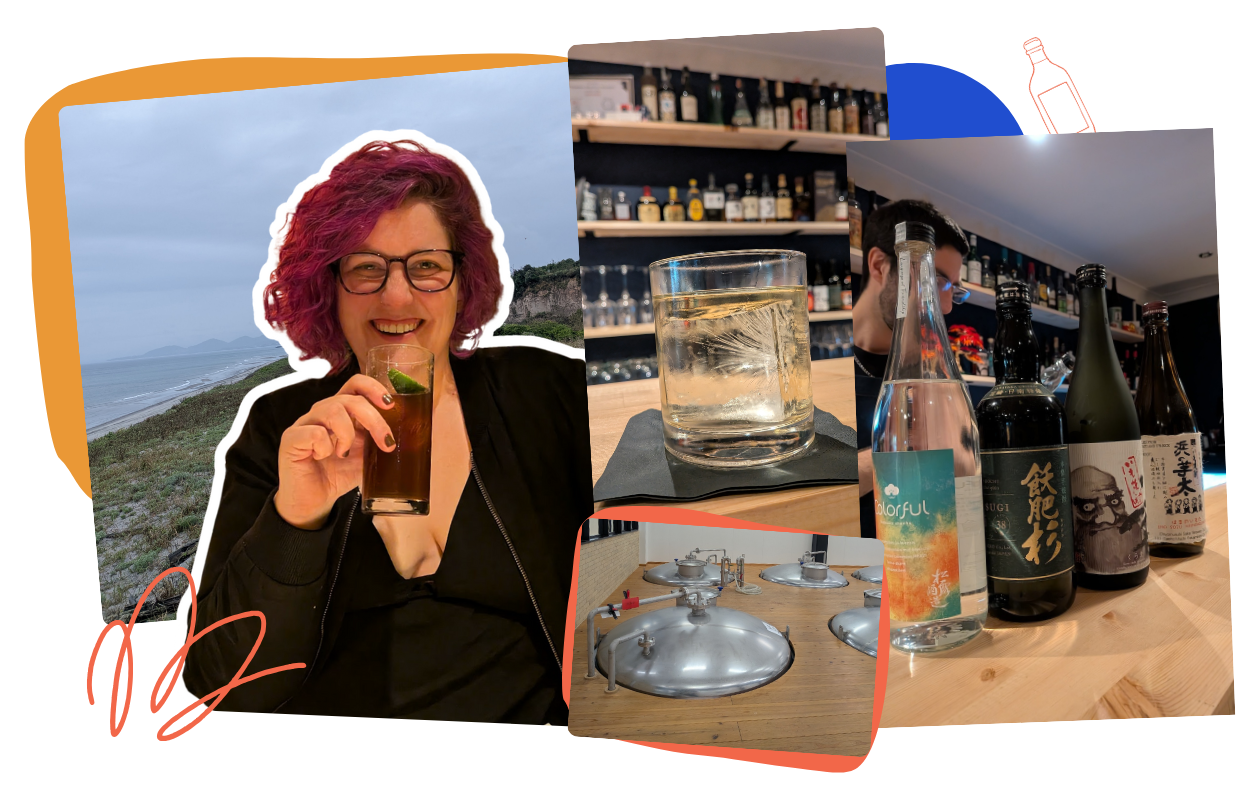
For this episode, we're heading to one of my favorite places in Japan: Kyushu. AKA the "kingdom of shochu."
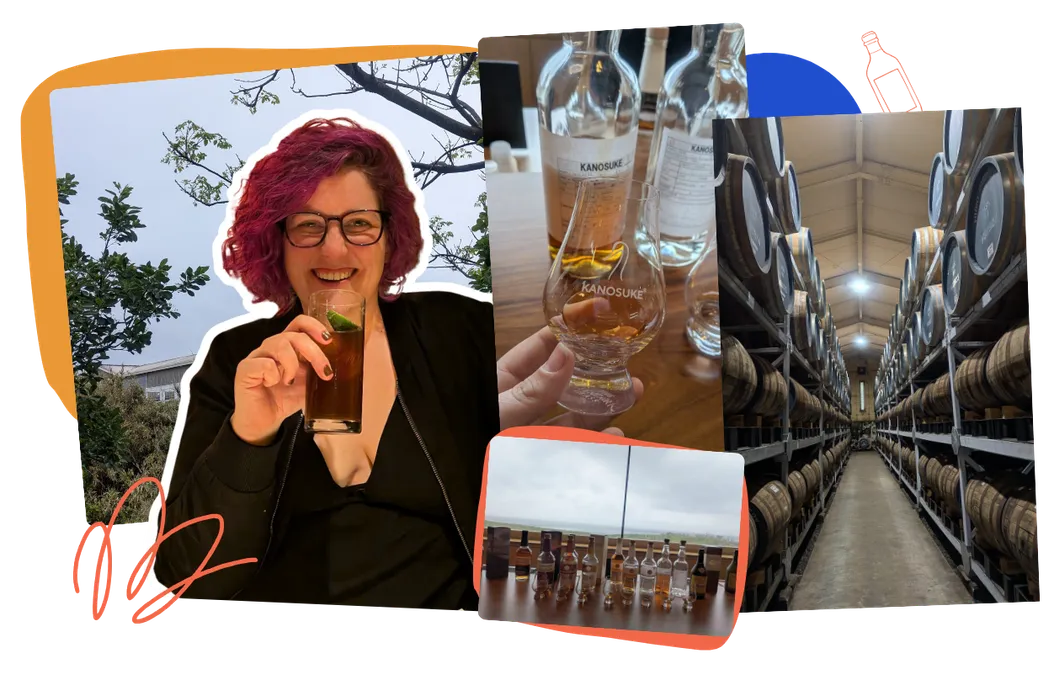
I originally went there to drink whisky... but that's a story for another episode. 😉
Listen to this one to hear all about:
- Why shochu became the most popular spirit in Japan
- How this hyperlocal spirit represents the diversity of Japan's geography
- Why putting it in cocktails is ~ controversial ~
- And all the different ways to order it during your next trip to Japan! (Hint: hot water is often involved!)
This episode also features an interview with Julia Momose, the owner and executive chef at Kumiko. She's a badass bartender, shochu expert, and the winner of two James Beard Awards.
So, give the ep a listen and then stop by Kumiko next time you're in Chicago!
Fresh links, poured just for you
Dry January brings out all the think pieces on mocktails and drinking trends, and also lots of eye rolls from me because Hello Convenient Generalizations Without Real Research 👋
That being said, some links I do like:
- Why mocktails cost the same as cocktails
She doesn't even get into labor/overhead, which is ~50% of costs, and the same regardless of whether you're making a drink with alcohol or not. - Why non-alc is an infrastructure play
"If 90% of non-alcoholic buyers still drink alcohol, the category is not about abstinence, it’s about managing the social friction of moderation." - Why it's hard to make non-alc wine
Where losing just 60% of the aromas is an improvement 🙃
And fwiw, I've tried a lot of non-alcoholic spirits. Many of them aren't readily available, but Almave is one of the better ones that is.
I still wouldn't drink it neat, but I buried it in mocktails at a recent event, and people loved it. They have a faux-tequila and faux-mezcal; both made from real agave.
Happy sipping!