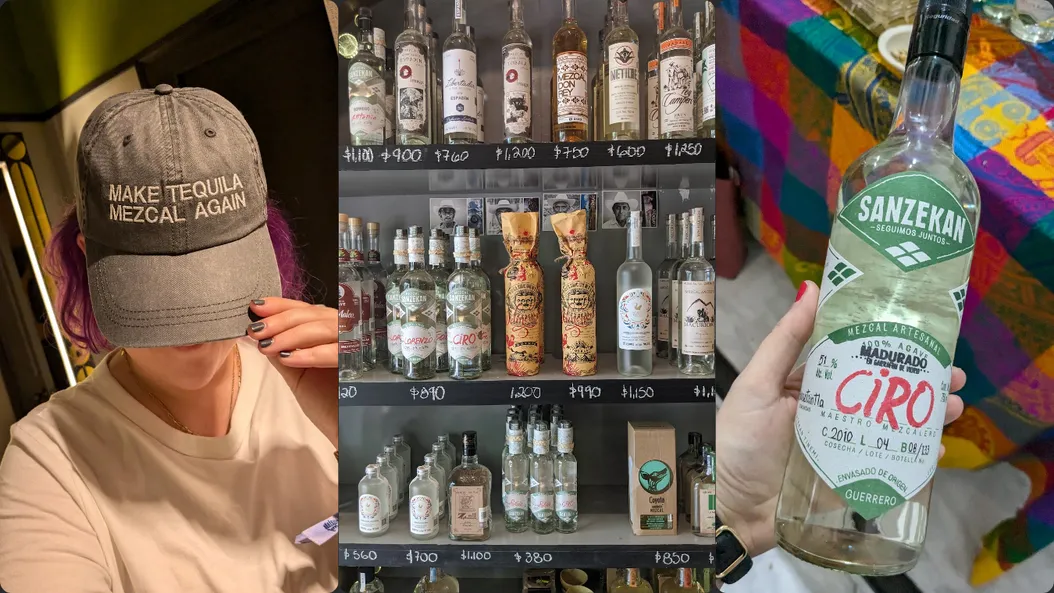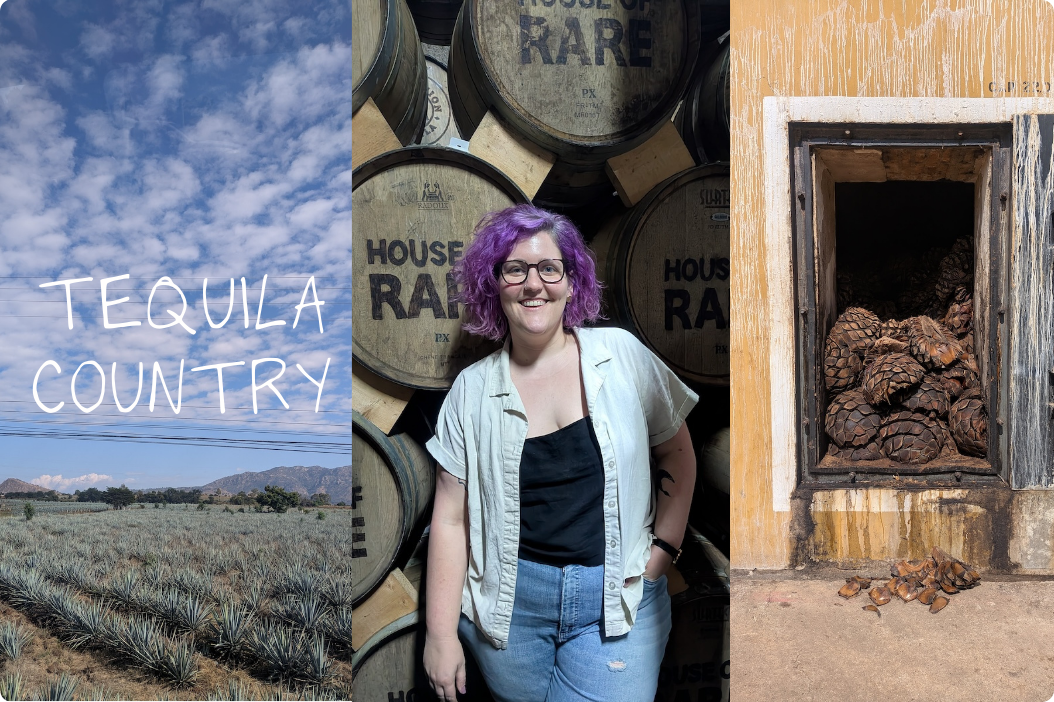
My first trip to Guadalajara was a group trip for my birthday, and we made the mistake of going in June.
They were experiencing a heat wave on top of their normal heat, and to this day, all of us use it as a frame of reference for how hot a place is.
“Was it hot? Or was it Guadalajara hot?”
(Nowhere is Guadalajara hot.)
Suffice to say, when my friend Miguel bought a nearby distillery last May, I was quick to accept his invite so long as it was “after sweaty season.”
Cue me packing my bags last week.
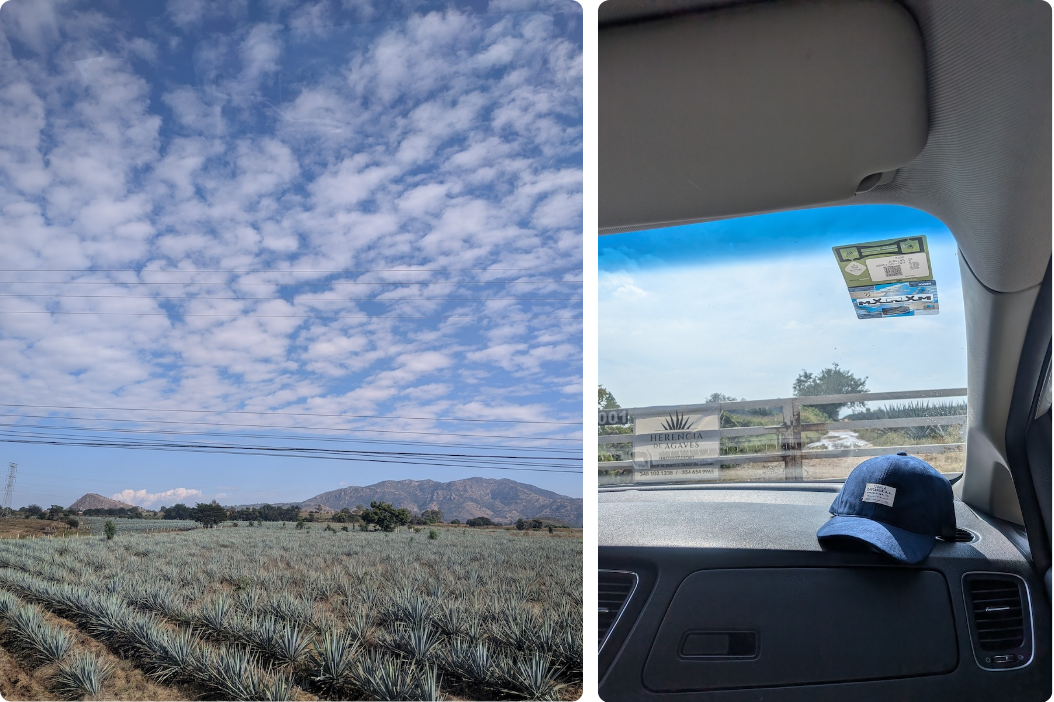
First, some context about tequila:
- Tequila is actually a subcategory of mezcal.
- It must be made from a particular type of agave (blue weber) and, while you can legally make it in five states, the vast majority comes from Jalisco.
- Guadalajara is the capital of Jalisco and the jumping-off point for the two production areas: the highlands (Los Altos) and the lowlands (El Valle).
- The lowlands/valley is right outside the city, and there are a handful of little towns with their own terroir.
- The most famous one is literally called Tequila, and that’s where the spirit’s name comes from. “Mezcal de Tequila“ literally means “mezcal from Tequila.”
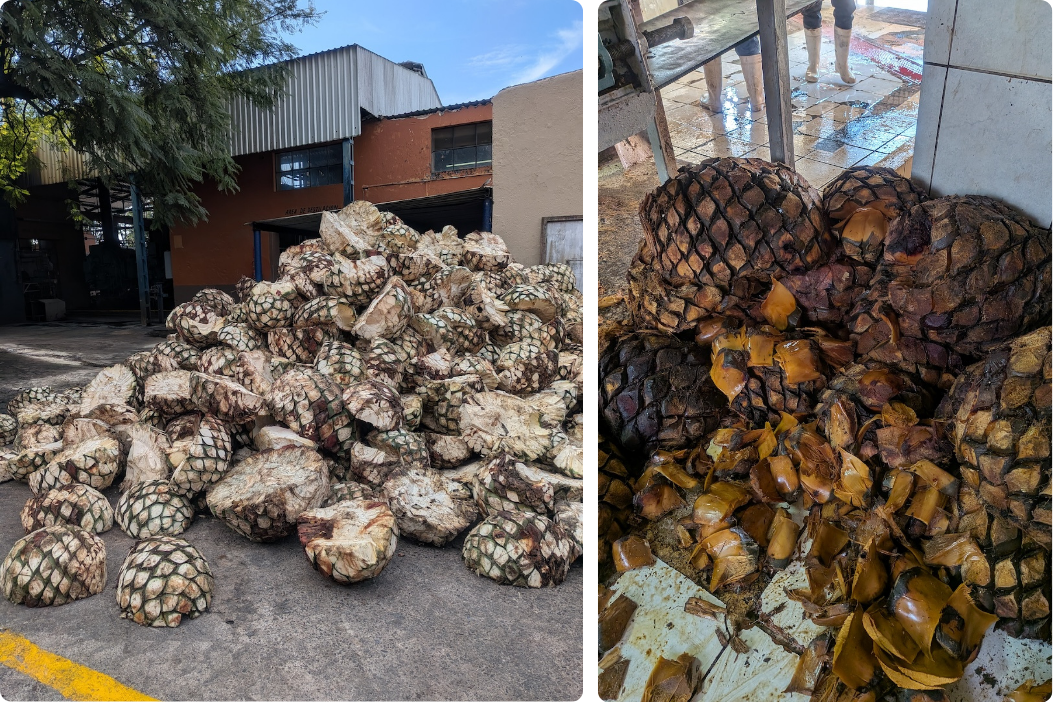
The closest tequila town to Guadalajara is La Arena, and it’s where the famous Cascahuín distillery is located.
Cascahuín is one of the best tequilas on the market. (If you’re looking for a Christmas present for the tequila fan in your life, take note!)
Miguel is an expert in aging tequila, so he helps with their aging program. And his own distillery, Herencia de Agaves, is just a few miles further down the road.
We toured both, plus a very interesting micro-distillery that basically distills everything but agave... but more on that another time.
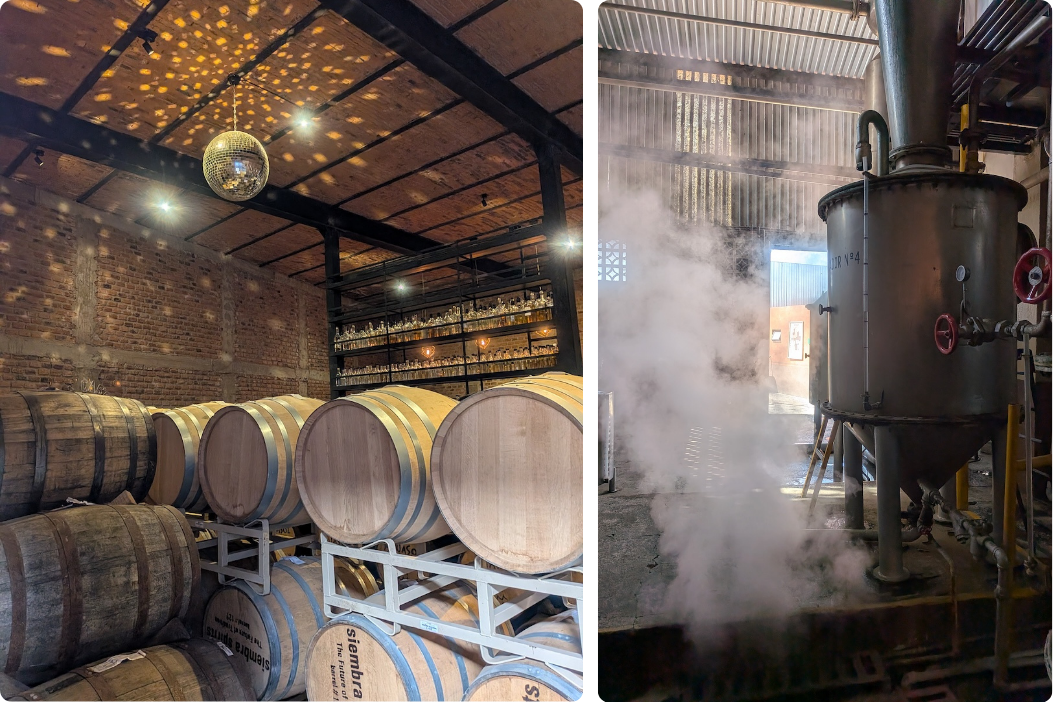
Something a lot of people don’t realize about tequila production is that almost every single distillery is a contract distillery. Which means, in addition to producing their own brand, they also produce other brands’ tequila.
Miguel’s distillery does this too, and they specialize in distilling tequilas that will ultimately be aged in premium barrels.
I was there at the same time as a group from Canada that’s working on an aged tequila for release there.
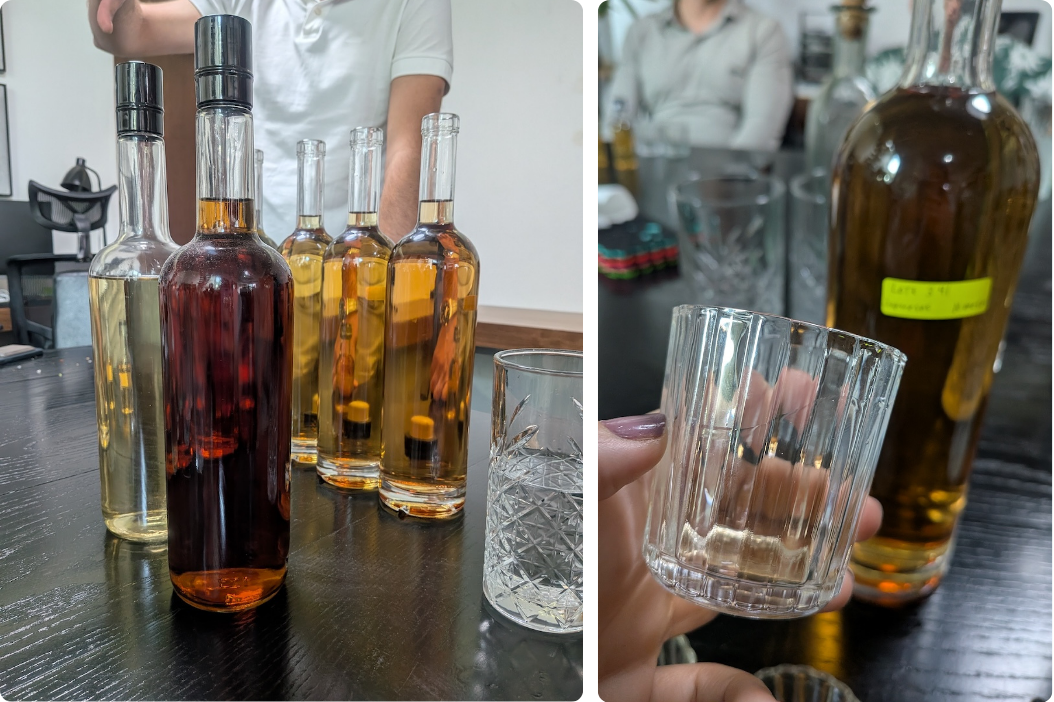
We did a tasting with the master distiller (a sixth-generation tequilero!) who walked us through a bunch of he options he made for them, and explained tweaks they could make to the distillation or aging process that would change the final profile.
At one point, he pulled out a huge test tube and started blending tequilas at different ratios, and there were dozens of samples cluttering our table.
I’ve always thought of distillation as both an art and a science, but this was the first time I really thought about the extra layer of distilling for a barrel.
It’s one thing (a hard thing!) to craft an unaged spirit like a tequila blanco that’s going to be great on its own.
To make one that you know will taste great after a few years in a Bourbon or Sherry barrel... that’s another skill. And a high-risk one! You’re literally waiting +3 years to see if you’re right.
I’m a big fan of aged spirits like whisky and rum… but I don’t love aging agave on principle.
The best mezcal is made from agave plants that are 5 to 15 years old. I want to taste that terroir, not a Bourbon barrel. But I’ve relaxed this stance a lot when it comes to tequila.
Like it or not, tequila is only mezcal on paper these days. It’s a much more industrial spirit, and the agave for it is rarely allowed to mature past three years.
But if you are going to age any agave, it better be fucking interesting.
And a tequila aged for 10 months in an old Umeshu barrel imported from Japan... Well, that’s interesting.